

Prioritizing wellness and self-care
Discover my approach to maintaining mental and emotional well-being, both for myself and for those I counsel. It is vital for everyone to practice self-care and stay fit.

My philosophy on well-being
It is imperative that both the client and counselor maintain their well-being and practice self-care activities to stay mentally and emotionally fit. This belief forms the foundation of my practice, ensuring a healthy environment for growth and healing.
Practicing self-care
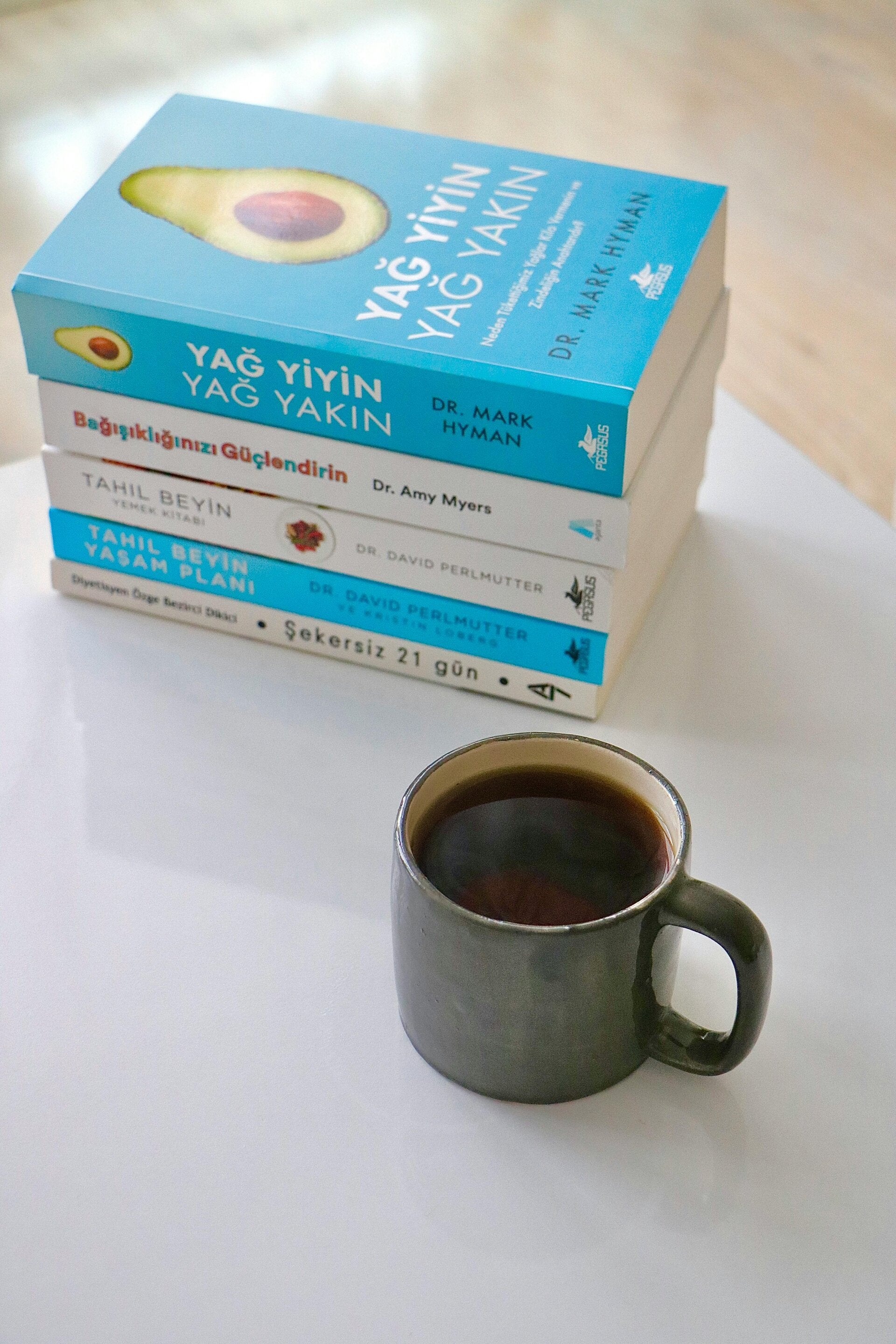
I integrate several personal practices into my routine to ensure my own well-being. These include caring for my animals, which brings a sense of calm and responsibility. I also find solace and growth in reading and writing, allowing for reflection and creative expression.

Moments of calm
Even simple acts like taking naps provide essential rejuvenation. I also find showers to be a particularly effective way to calm down and recenter myself after a busy day. These practices are not just personal preferences, but vital components of my professional and personal life.
Wellness plan and self-care
A comprehensive approach to well-being integrates various aspects of our lives. My wellness plan focuses on physical, emotional, and professional health, ensuring a balanced and fulfilling life.
Physical wellness
Physical wellness involves maintaining a healthy body through regular exercise, adequate sleep, and healthy nutrition. These elements are crucial for sustained energy and overall physical health.
Emotional wellness
Emotional well-being is fostered through mindfulness practices, personal reflection, and seeking professional consultation when needed. These practices help manage stress and cultivate inner peace.
Professional wellness
Professional wellness includes establishing healthy boundaries, engaging in continuing education, and maintaining a work-life balance. Strategies for burnout prevention are also vital for long-term career satisfaction.
Integrated well-being
By harmonizing physical, emotional, and professional wellness, you can achieve a state of integrated well-being that supports growth and resilience in all areas of your life.
Information
Self-care Assessment
Using the scale below, rate the following areas in terms of frequency:
5 = Frequently
4 = Occasionally
3 = Rarely
2 = Never
1 = It never occurred to me
Physical Self-Care
4 Eat regular healthy meals (e.g., breakfast, lunch, and dinner)
5 Exercise
5 Get regular medical care for prevention
5 Get medical care when needed
5 Take time off when needed
5 Participate in a hobby you enjoy
5 Get enough sleep
3 Take vacations, day trips, or mini-vacations
2 Make time away from technology
Rating Other:
Psychological Self-Care
5 Make time for self-reflection
5 Have your own personal psychotherapy
4 Write in a journal
1 Do something at which you are not an expert or in charge
4 Decrease stress in your life
4 Notice your inner experience—listen to your thoughts, judgments, beliefs, attitudes,
and feelings
4 Engage your intelligence in a new area (e.g., go to an art museum, history exhibit,
sports event, auction, or theater performance)
2 Practice receiving from others
3 Say “no” to extra responsibilities sometimes
Rating Other:
Emotional Self-Care
5 Spend time with others whose company you enjoy
5 Stay in contact with important people in your life
5 Give yourself affirmations, praise yourself
5 Identify comforting activities, objects, people, relationships, places, and seek them
out
3 Allow yourself to cry
5 Find things that make you laugh
5 Express your outrage in social action, letters and donations, marches, and protests
Rating Other:
Spiritual Self-Care
5 Make time for spiritual reflection
5 Spend time with nature, see what God created
5 Find a spiritual connection or community
5 Be open to inspiration
5 Cherish your optimism and hope
5 Be aware of nonmaterial aspects of life
5 Be open to not kn
5 Identify what is meaningful to you and notice its place in your life
3 Meditate
4 Pray
4 Sing
4 Have experiences of awe
5 Contribute to causes in which you believe
4 Read inspirational literature (talks, music, etc.)
Rating Other:
Workplace or Professional Self-Care
5 Take a break during the workday (e.g., lunch)
5 Take time to chat with co-workers
5 Make quiet time to complete tasks
1 Identify projects or tasks that are exciting and rewarding
5 Set limits with your clients and colleagues
4 Balance your caseload so that no one day or part of a day is “too much”
4 Arrange your workspace so it is comfortable and comforting
5 Get regular supervision or consultation
4 Have a peer support group
Rating Other:
Balance
4 Strive for balance within your work-life and workday
5 Strive for balance among work, family, relationships, play, and rest
Part 2: Self-Care Reflection
Directions: Provide short answers, 100-150 words, for each of the following
questions/statements. Do not exceed 200 words for your response.
1. In what specific areas have you noticed strengths in your self-care ? Explain.
My spiritual life is very full because my relationship with God is very important to me. I.
am decent with physical activity too because I love my dog and I take him for walks daily. I do.
need to find better ways of leaving work behind and not allowing it to enter my private life.
When patients are very traumatized, my heart takes in their emotions and I just wish I could take
away their pain.
2. What growth areas are you noticing? What healthy strategies will support your
development?
There is never a time that you should stop growing and becoming stagnant. This is what
causes burnout in counseling professions. It is easy to get complacent and jaded when
you are at the same workplace and feel you aren't a truly beneficial part of the team. I see
growth in all aspects of my student counseling life because I am learning how to actually
do the counseling functions now. I will keep my supervisor aware of any issues I am
having in growth so we can go over it together.
Adapted from Transforming the Pain: A Workbook on Vicarious Traumatization. Saakvitne, Pearlman &
Staff of TSI/CAAP (Norton, 1996)
"I understand what you are feeling. I do not view myself as above anyone."
Susan Lincks
Create Your Own Website With Webador